How Android non-device tree uboot modifies default environment variables
This article mainly introduces the relevant knowledge of "Android non-device tree uboot how to modify default environment variables". The editor shows you the operation process through an actual case. The operation method is simple, fast and practical. I hope this article "Android non-device tree uboot how to modify default environment variables" can help you solve the problem.
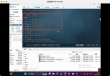
After the iTOP-iMX6 development board is written, the default is the system parameters and screen parameters of the 9.7inch screen of the android system. The figure below is as follows
70.1 important environmental variables
The more important environment variables, or frequently used environment variables, are already in the red box in the figure above.
Mainly: bootsystem, lcdtype and bootargs. These parameters can be set in the uboot source code. The specific document is: "iTOP-iMX6_android4.4.2/bootable/bootloader/uboot-imx/lib_arm/board.c" file.
70.2 default boot system settings
The default startup system parameter is: bootsystem. Open the board.c file. Search for the keyword "bootsystem" and find the following code:
70.3 default screen settings
The default screen parameter is: lcdtype. Open the board.c file. Search for the keywords "lcdtype". Find the following code.

That's all for "how the Android non-device tree uboot modifies the default environment variables". Thank you for reading. If you want to know more about the industry, you can follow the industry information channel. The editor will update different knowledge points for you every day.