What is the process of Windows Forms creating ribbon applications in TX Text Control .NET?
This article introduces how Windows Forms creates a ribbon application in TX Text Control .NET. The content is very detailed. Interested friends can use it for reference. I hope it will be helpful to you.
TX Text Control .NET for Windows Forms is a set of feature-rich word processing controls that provide developers with the word processing capabilities commonly used in Word in the form of reusable controls. It is an ideal choice for applications that require powerful and flexible document processing capabilities.
The first step is to create an application and connect to Text Control using the ribbon bar and ribbon tabs.
Start Visual Studio .NET and create a new project. Select Visual Basic or C# as the project type and Windows Forms Application as the template.
Locate the TX Text Control 27.0 toolkit tab that the TX Text Control installer automatically created. All available TX Text Control controls and components are listed in this tab.
Click the TextControl icon and draw it on the form.

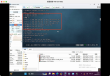
Click the smart tag (small right arrow) in the upper-right corner of TextControl. In the Wizards group, click Add a Ribbon,Add a Status Bar,Add a Ruler and Add a Vertical Ruler. Do not insert ButtonBar. Finally, click Arrange Controls Automatically. Control is now connected and docked to populate the container:

Build and start the application to view the first results.
On TX Text Control .NET Windows Forms to create a ribbon application process is shared here, I hope the above content can be of some help to you, can learn more knowledge. If you think the article is good, you can share it for more people to see.