How does ecplise publish the project to a private repository in the form of jar
This article mainly introduces "how ecplise publishes the project to the private warehouse in the way of jar". In the daily operation, I believe that many people have doubts about how ecplise publishes the project to the private warehouse in the way of jar. Xiaobian consulted all kinds of materials and sorted out simple and easy-to-use operation methods. I hope it will be helpful to answer the doubts of "how ecplise publishes the project to the private warehouse in the way of jar". Next, please follow the editor to study!
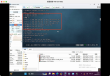
The first step is to right-click any point in the pom file, and select Run As-> Run Configurations. The second step is to set the packaging command. If you package at this time, you will report an error No compiler is provided in this environment if you have not set installed jres. Perhaps you are running on a JRE rather than a JDK? It means that jdk packaging is not a good step under jre settings window- > preferences- > java- > instakked jres if there is a direct selection of jdk, if you do not add one, add steps: add- > standard Vm choose your jdk installation location to execute run-"maven build will be packaged and uploaded according to the configuration of your pom file, and the study on" how ecplise publishes the project to a private warehouse in jar "is over I hope I can solve everyone's doubts. The collocation of theory and practice can better help you learn, go and try it! If you want to continue to learn more related knowledge, please continue to follow the website, the editor will continue to work hard to bring you more practical articles!