It is reported that Samsung Semiconductor will reduce the number of wafers by 10%, and the EUV production line has become a hard-hit area.
CTOnews.com May 26, according to South Korean media Aju News reported that Samsung plans to start from the third quarter of 2023, South Korea's Huacheng Park S3 plant to reduce the number of wafers at least 10%.
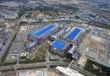
▲ source: Samsung reported that Samsung Semiconductor will begin to reduce production at the S3 plant in Huacheng Park in the third quarter. S3 factory is a 12-inch production line built and put into production by Samsung Semiconductor in 2018. At present, it mainly produces 10nm to 7nm products. It is also one of the main manufacturers of Samsung Semiconductor EUV advanced technology. Samsung has deployed a number of ASML NXE3400 EUV lithography machines for it.
Aju News pointed out that the production cut is the first time that Samsung has artificially reduced the number of wafers in semiconductor factories in recent years.
Industry insiders pointed out that during the downturn in the semiconductor industry, Samsung sought to expand production until the beginning of this year in order to invest counter-cyclically to squeeze competitors such as TSMC, and planned to increase wafer capacity by at least 10% by the second half of 2023, but the semiconductor industry declined much faster than Samsung expected.
CTOnews.com has previously reported that Samsung Semiconductor's products in the warehouse are worth nearly 32 trillion won (currently about 170.56 billion yuan), a record high. As a result, Samsung has to further reduce the number of LSI wafers on its system in order to balance inventory after reducing memory production and raising prices.