Audi executives: the shortage of semiconductors has caused the German auto industry to enter a bottleneck period and will continue for several years.
CTOnews.com, Aug. 13 (Reuters)-Renate Vachenauer, purchasing director of Audi, a subsidiary of Volkswagen, said in an interview that although the chipmaker plans to build a factory in Germany, the bottleneck caused by the semiconductor shortage in the German automobile industry will continue for several years before it can be resolved.
It will take years for chipmakers to build factories in Germany, and carmakers can ease this bottleneck by reducing the number of automotive chips, which currently number more than 8000, he said. "We have to use a variety of means to stabilize the supply of semiconductors and to increase inventory to a certain extent."
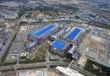
▲ Touyuan Audi and German automakers and electronics manufacturers have been hit hard by production delays due to a global chip shortage, and executives and policy makers are reconsidering supply lines.
CTOnews.com previously reported that TSMC issued a press release on August 8 announcing that the company's board of directors approved the plan to invest in a semiconductor factory in Germany. According to the press release, it is approved to invest in European Semiconductor Manufacturing Company, a German subsidiary mainly owned by TSMC, within an amount of not more than 3.5 billion euros (currently about 27.825 billion yuan) to provide professional integrated circuit manufacturing services.
In fact, TSMC has been in talks with the German state of Saxony about building a plant in Dresden since 2021. After board approval, TSMC plans to use the Dresden plant to sign a financing letter of intent with Berlin, which will eventually be decided by the European Commission.