Geely holding Group has reached strategic cooperation with Hunan, the Xiangtan base of long-distance new energy commercial vehicles has been completed, and the first remote super VAN has been taken off the line.
CTOnews.com, December 22, Hunan Provincial people's Government and Geely holding Group signed a strategic cooperation agreement at the Xiangtan base of long-distance new energy commercial vehicles. The two sides will carry out all-round cooperation around the practice of the "Belt and Road Initiative" initiative, the building of new energy vehicle industry clusters, talent education, digital transformation and other fields.
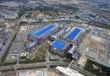
At the signing site, the Xiangtan base of Geely's long-distance new energy commercial vehicle was officially completed, and the first long-distance super VAN was synchronously offline.
CTOnews.com noted that Geely relies on the Automotive High-tech Valley Park in Tanjong Marin, Malaysia, to upgrade Hunan's economy. Geely Holdings Group will introduce more new energy passenger vehicles and commercial vehicles in Hunan, enrich and expand the category of new energy vehicles in Xiangtan base, continue to improve the matching rate of local auto parts, and promote the agglomeration and development of auto parts industry.
To carry out all-round cooperation in promoting recharging infrastructure, creating alcohol-hydrogen power ecology, expanding the export of complete vehicles and spare parts, and exploring digital, intelligent and green development.
As Geely remote new intelligent LCV (light commercial vehicle) project, Xiangtan base is the first base of long-distance new energy commercial vehicle group to fully implement green construction innovation measures, and it is also the first commercial vehicle manufacturing factory in China that applies the concept of "Sponge City".
The offline remote Super VAN is developed based on the forward-developed GXA-M wire-controlled intelligent architecture. It is a new energy VAN model built by long-distance new energy commercial vehicles following the strategy of "China-Europe, global layout" and aiming at the two core markets in China and Europe.